Processing the US election has been a challenge for many people. I felt a mild sadness and resignation on the morning after
election day. But after decades of disappointing elections and frustration with elected leaders (including ones I supported), I’ve become more circumspect about election results. Politics no longer make me angry or depressed.
I do not doubt that the incoming administration and Congress will do immense harm and set us back in areas of environmental justice, climate mitigation, economic stability, healthcare access and
quality, military readiness, and probably many areas we’ve not anticipated. But setbacks are never permanent. We may not return to where we were, but we can be confident that new directions are on the horizon. As I posted on Medium the day after the election, “My hope remains rooted in the cycles of renewal. No endings, no
beginnings—triumphs collapse under the weight of their success, defeats become the ground of new opportunities, and summer’s vanquished flowers spread their seeds to new soils.”
The election has highlighted for me two important reminders: to keep working for change, and the necessity of self-care.
We all have different ways of working for
change. Some participate in public protests or engage in community organizing. Others prefer more personal approaches, such as changing their daily habits or meditating on the outcomes they want to see in the world. Teaching and writing have been my approaches to advocating for change. Although educating and inspiring others rarely show immediate results, I trust these long-term efforts will make some small difference.
Self-care is necessary to bring about significant changes—it gives us the energy and focus required to do the work. And like our different ways of engaging with change, we each have our own approaches to self-care. Some people undertake a rigorous fitness program with a personal trainer, while others only need a quiet moment with their morning coffee. High on my list are morning walks, yoga, and music.
Whatever
you feel about the election, I hope you can keep up the good fight to make the world a better place and, above all, take time to care for yourself and your loved ones.
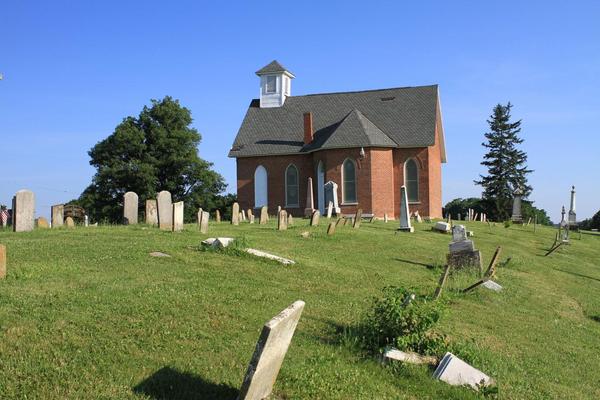
Betweenness: Contemplating bardo in a country cemetery: Strolling among the uneven lines of headstones in a churchyard cemetery, I contemplate the Tibetan Buddhist idea of bardo, the period after death before reincarnation to a new life. Sorrow and weeping stain this churchyard, but death is not the final word on this sacred hillside. I consider Walt Whitman’s question, “What is it then between us?” It can be the boundary that separates, or it can be a shared connection. A double potential awaits every
relationship.
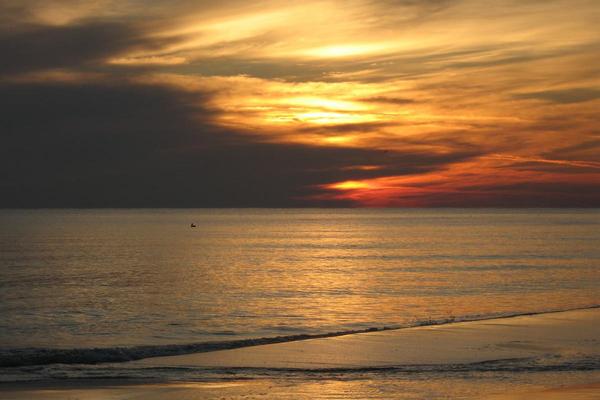
The Sun Sets Orange: A new sky will come: My brief thoughts about the 2024 election and the resurgence of the Orange Man. As disappointed as I was, I take solace in knowing that the era of the orange has already begun to fade. The deceit of glorious sunsets soon gives way to darkness. It must fall away like the orange of autumn’s dry and brittle leaves.
Featured Photo
California Sea Lion
(Photo by T.S. Bremer, 2014)
I'm not much of a wildlife photographer, but sometimes I get lucky. Like when
this sea lion nosed up to check out the people leaning over the railing of the Balboa Pier in Newport Beach, California. The emerald-green water and the dappled sunlight make this one of my favorite animal portraits. You can view other animal images (including birds and butterflies) on thegallery page.
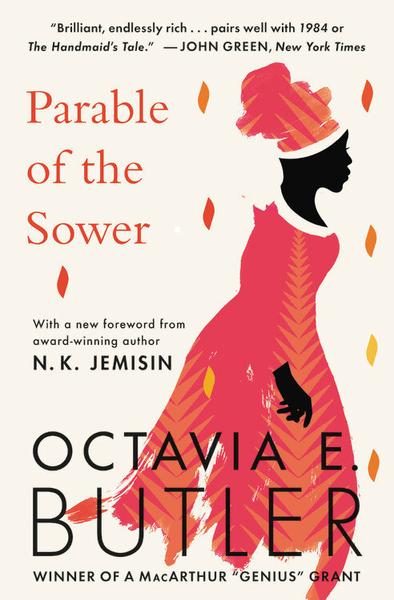
This foundational creed of the “Earthseed” religion opens Octavia Butler’s 1993 dystopian novel. Set in 2025, the story imagines a world that parallels what we are witnessing today, including environmental collapse and
economic disparities exacerbated by the predatory practices of a ruling class extracting wealth from the middle and impoverished classes. In Butler’s story, breakdown of the social order has become frightening and dangerous, but the small community gathered around the 15-year-old protagonist suggests hope as articulated in the Earthseed religion.
A Sacred Love Poem
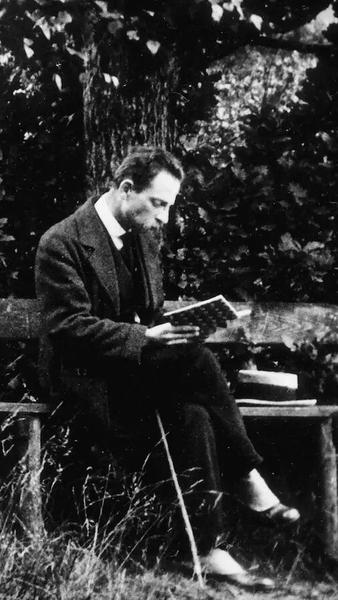
The literary works of Austrian poet Rainer Maria Rilke wrestle with questions of religion, spirituality, and art. German novelist and poet Hermann Hesse wrote of
Rilke that “at each stage now and again the miracle occurs, his delicate, hesitant, anxiety-prone person withdraws, and through him resounds the music of the universe.” A bit of that universe resounds in Rilke’s “Ever Again,” which is at once a love poem, sacred verse, and nature poetry.
Ever Again
Ever again, though we've learned the landscape of love
and the lament in the churchyard’s names
and the terrible, silent abyss where the others have fallen;
ever again we walk out, two together,
under the ancient trees, ever
again find a place
among wildflowers, under heaven’s gaze. – Rainer Maria Rilke
[Source: A Year with Rilke, translated and edited by Joanna Macy and Anita Barrows.]
I would love to hear from you.
You can reach me by replying to this email or clicking on the Contact button.