School has started in many places. Classes begin next week at Rhodes College, and I am a bit sad not to be joining the excitement
of a new school year. But my sadness quickly passes. I'm quite happy to be pursuing other projects.
This isn’t the first time I've pivoted careers. In fact, teaching was my third career (following landscaping/agriculture and insurance). I came late to academia, with 17 years between high school and college (you can read my short autobiography on my Personal Story page).
I never planned on a career in teaching. I went to college at a late age out of a hunger to learn. As I neared the end of grad school, I realized that the best way to continue learning was to teach. So I landed at Rhodes where I stayed a learner right to the end.
Now I learn by writing. And reading. And listening to what others have to share.
Wishing you new discoveries on your learning journey,
Tom
My grand-nephew AJ at the start of his learning journey on his first day of kindergarten (photo by his mom, Courtney Otto, August 12, 2024)
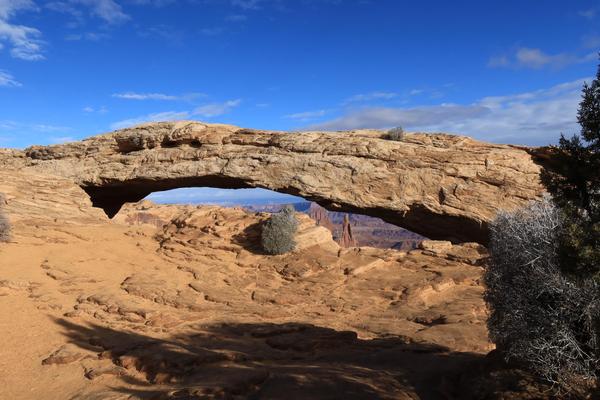
Canyonlands National Park in Utah is near Arches National Park, but it gets far fewer visitors. The scenery is equally stunning, and Canyonlands also has arches, though not as many as its more famous neighbor.
Mesa Arch gets much attention, often showing up in calendars and posters, usually with the rising sun pictured through the arch. It’s also impressive in the afternoon, which is when I made this image on a cold December day. You can view other Canyonlands photos on the gallery page.
National park or
private development? Land adjacent to Grand Teton National Park in Wyoming, "an important migration corridor for moose, elk and pronghorn antelope could end up in the hands of private developers, who would find it attractive for its picturesque views of the park." Wyoming offers to sell land to Grand Teton park -- or it
could go to developers | NPR
A book worth reading:
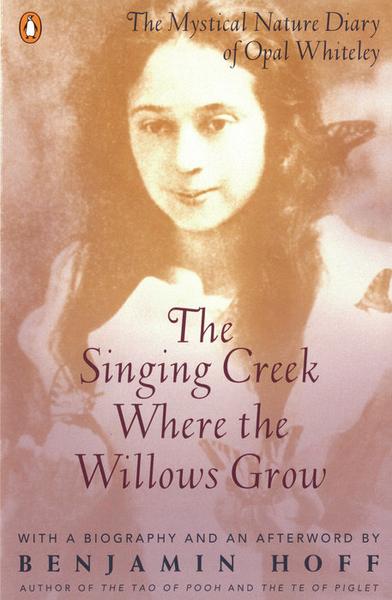
The Singing Creek Where the Willows Grow: The Mystical Nature Diary of Opal Whiteley by Opal Whiteley, with biography and afterword by Benjamin Hoff
This book amazed me. Through a
child’s experience of her rural surroundings in early-twentieth-century Oregon, we get an unusual view of the world as she narrates the lives of her neighbors and her animal companions. The book also had me thinking differently about language. From the opening paragraph, when she explains, “I found the near woods first day I did go explores,” you realize Whiteley interprets her world with an unorthodox syntax of a child. I found it refreshing.
Equally intriguing is Benjamin Hoff’s biography of Opal Whiteley and his sleuthing the truth behind the controversy this book stirred up when first published in the 1920s. I'd be curious to know what you make of his conclusions.
The going away day of one William Shakespeare
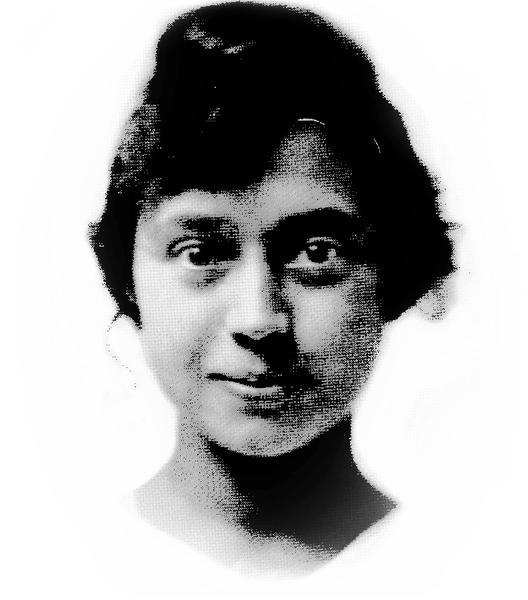
This month’s poem was not written as a poem. It is an excerpt from Chapter 23 of Opal Whiteley’s diary The Singing Creek Where the Willows Grow. She is commemorating the anniversary of “the going away day of one William Shakespeare, in 1616.” Opal has gathered up several of her animal friends “to go to the cathedral to say prayers of thanks for
all the writings he did write.” Her descriptions, like much of her diary, is quite poetic. I have arranged her paragraph into lines of a poem.